MUSCULOSKELETAL THERAPY

  • OSTEOARTHRITIS (OA)

    Osteoarthritis (OA) is a prevalent chronic joint condition affecting thousands of Australians. While it can impact any joint, it predominantly affects the knees, neck, lower back, fingers, and hips. Commonly found in individuals aged 65 and older, OA affects the lumbar & pelvis, lower limbs, upper limbs, head, and spine.

    Typical OA symptoms include pain, swelling, and stiffness. Though no scientifically proven cure exists, the condition can be managed through surgery, weight management, and physical activities. Our expert physiologists can develop a personalised exercise plan to help manage your specific condition.

    LEARN MORE

  • CHRONIC PAIN

    Chronic pain is pain that persists for longer than three months and can impact movement, sleep, mood, and overall quality of life. It is often complex, involving not just the body, but also the nervous system, lifestyle, and stress levels.

    Exercise Physiology takes a holistic approach to managing chronic pain, combining gentle, graded exercise with education, lifestyle support, and strategies to build confidence and reduce fear of movement. This helps improve strength, mobility, sleep, and overall wellbeing while calming the body’s pain response.

    With the right support, you can better understand your pain, regain control, and improve your quality of life.

  • POST-SURGERY REHABILITATION

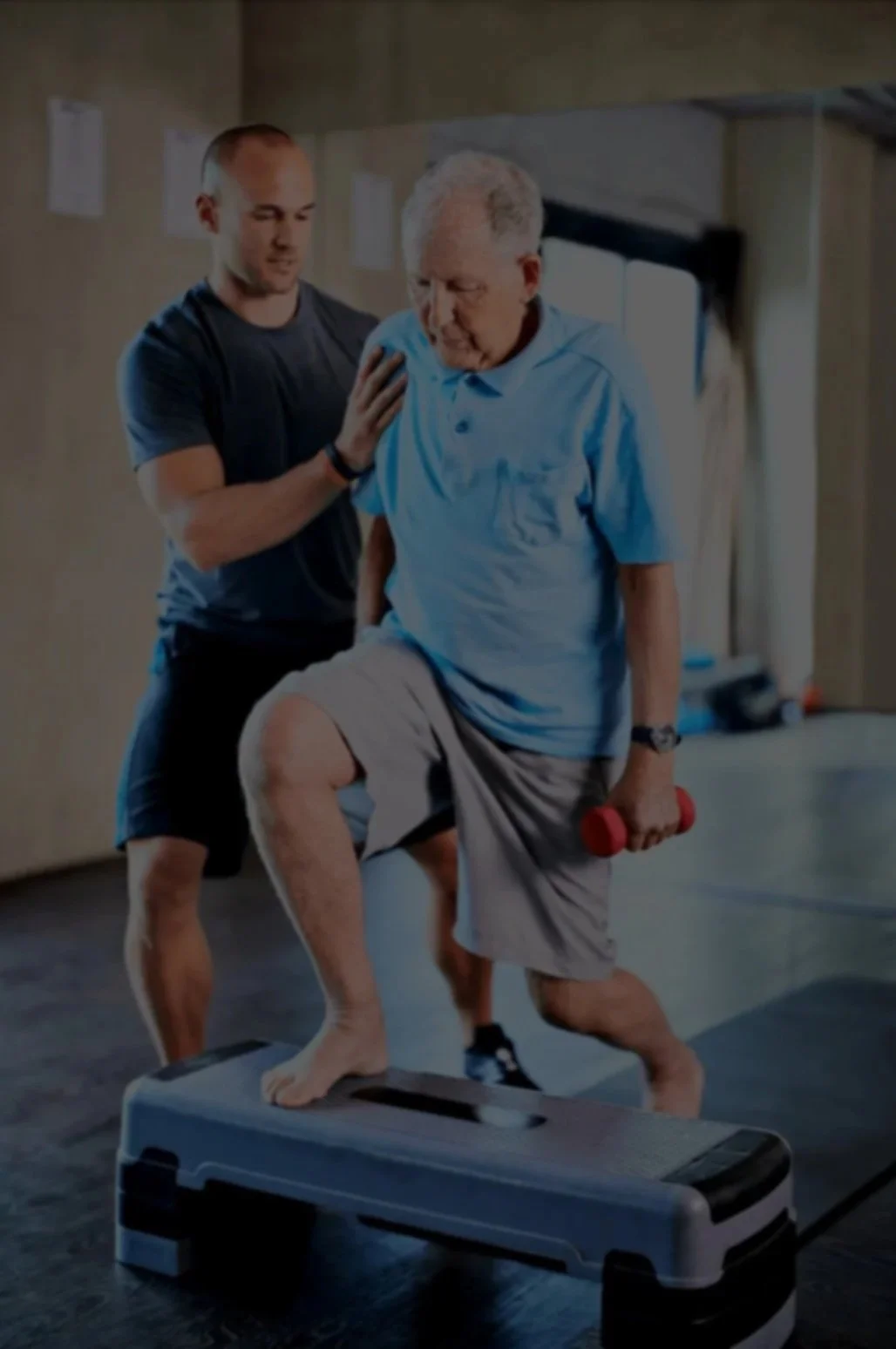
    Whether a joint replacement, tendon repair or treatment to traumatic injuries, the priority is to help your body recover safely.  Without proper guidance, movement, strength, and function can be limited, slowing recovery. 

    Exercise Physiology supports healing through tailored, progressive programs that restore mobility, build strength, and protect the repaired area. By gradually increasing activity in a controlled way, we reduce stiffness, prevent complications, and improve overall function.

    With personalised guidance, you can regain independence, return to daily activities, and optimise long-term recovery while safely rebuilding confidence in your movement.

  • TENDINOPATHY

    Tendinopathy is a condition where a tendon becomes irritated, painful, or weakened—often from overuse or sudden increases in activity. Common areas include the shoulder, elbow, hip, and Achilles tendon.

    Exercise Physiology plays a key role in recovery through targeted, progressive strengthening programs that help the tendon adapt and heal. Rather than complete rest, the right type and amount of exercise can reduce pain, improve function, and prevent recurrence.

    With guided support, you can safely return to daily activities, work, or sport while building long-term resilience.

  • OSTEOPOROSIS

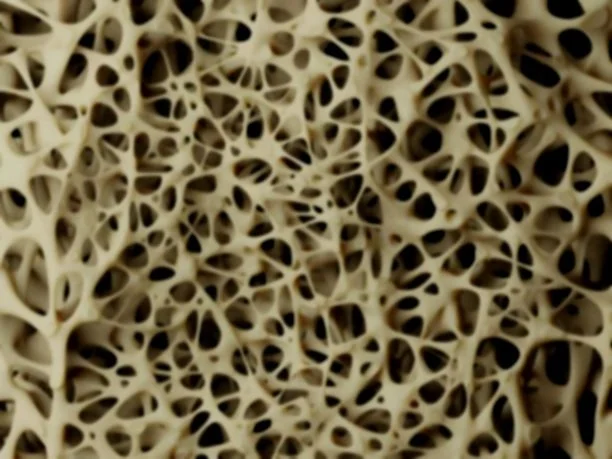
    Osteoporosis is a condition characterised by reduced bone density, increasing the risk of fractures and impacting mobility and quality of life. Management requires more than just bone-focused treatment—it involves addressing strength, balance, posture, and overall physical function. 

    Exercise Physiology provides clinically guided, evidence-based programs incorporating weight-bearing, resistance, and balance exercises.

    These programs are tailored to individual needs and abilities, aiming to improve musculoskeletal strength, enhance stability, support joint health, and promote safe movement patterns. This can reduce fracture risk, maintain independence, and improve overall confidence.

  • CHRONIC LOW BACK PAIN

    Chronic low back pain (LBP), whether from a disc bulge, spondylosis, or spinal stenosis, it can affect movement, function, and overall quality of life. Pain may persist even without new injury, often due to reduced tolerance to activity and fear of movement.

    Exercise Physiology offers a holistic, evidence-based approach, using graded, progressive exercises to safely build your tolerance to physical loads and improve confidence in managing pain.

    Programs are tailored to your abilities and goals, helping you move more freely, reduce flare-ups, and

MUSCULOSKELETAL REHABILITATION THROUGH EXERCISE

Exercise physiology is a specialised approach that provides targeted treatment and rehabilitation for a wide variety of musculoskeletal disorders. Our expert exercise physiologists are here to help you find relief, enhance your physical function, and effectively manage your condition through evidence-based exercise programmes.

Musculoskeletal disorders, affecting nerves, muscles, tendons, and support structures like spinal discs, can result in injury or pain and hinder movement. Many Australians struggle with these conditions, but our expertise can help manage them. By offering personalised, evidence-based exercise programmes, we aim to improve the quality of life for individuals with musculoskeletal disorders.

Schedule an appointment with an exercise physiologist at Full Circle Wellness today to manage your condition, using exercise-based treatments tailored to your specific needs. Call us on 07 5456 1599 or Contact Us. We can help you improve your life today!

  • Our Exercise Physiologists address a range of head and cervical issues, including pain, discomfort, and conditions such as:

    Osteoarthritis & degeneration: While there is no cure, exercise physiology can help alleviate symptoms, improve function, and manage the condition effectively through tailored exercise plans.

  • We provide treatment for all major upper limb joints and muscle groups, from injury recovery to pain relief:

    Rotator Cuff/Shoulder: Exercise physiology can enhance range of motion and strength in cases of Rotator Cuff tears, Frozen Shoulder, and neurological conditions

    Elbow: Our treatment includes addressing injury, discomfort, and common conditions such as golfer's elbow and tennis elbow.

    Hand & Wrist: We offer therapy for musculoskeletal pain resulting from trauma, repetitive strain injuries, or other health conditions.

  • Consult our exercise physiologists for appropriate treatment options to address discomfort or chronic pain in the lumbar and pelvic regions:

    Osteoarthritis: Exercise physiology can effectively manage OA-related pain and discomfort in the lumbar and pelvic regions.

    Disc bulges: Exercise intervention can help support tolerance to compression loads and activities to improve and reduce symptoms associated with 

    Nerve Radiculopathy: Radiculopathy, like sciatica, causes pain, tingling, or numbness along a nerve. Exercise Physiology uses gradual movements to reduce irritation and build tolerance to help return safely to daily activities.

  • Our exercise physiologists can assist you with common lower limb health conditions, such as:

    Osteoarthritis: We provide management and therapy for pain and discomfort in the lower limbs caused by OA.

    Hip/Knee Replacement Therapy: Post-operative therapy can strengthen crucial muscle groups and restore pain-free movement and function.

    Muscle Strains and Tears: Accelerate recovery and prevent future injuries with our targeted treatment programs.