Exercise Physiology
Our Specialities
-
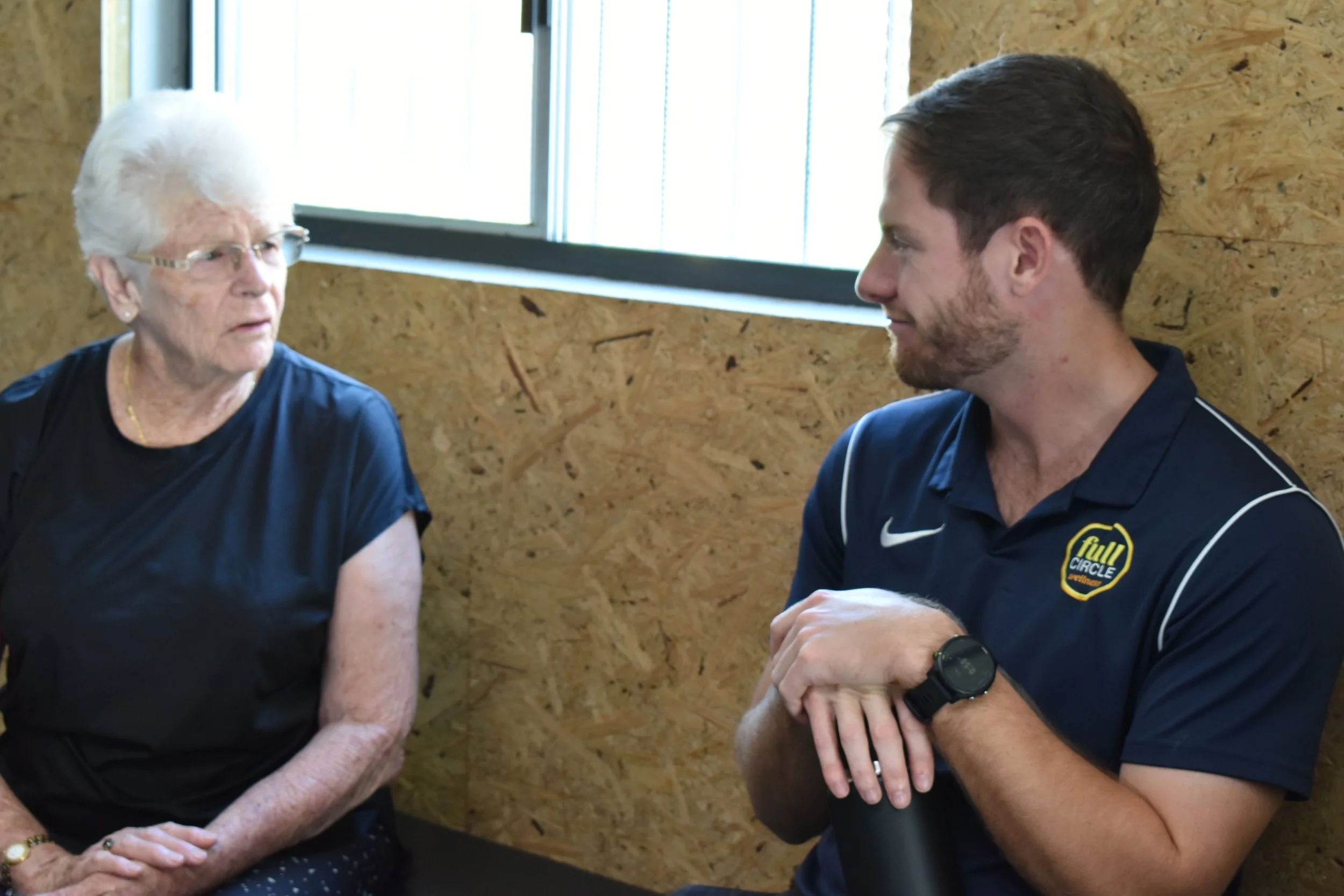
Aged Care
Support At Home Packages
-
Disability Support
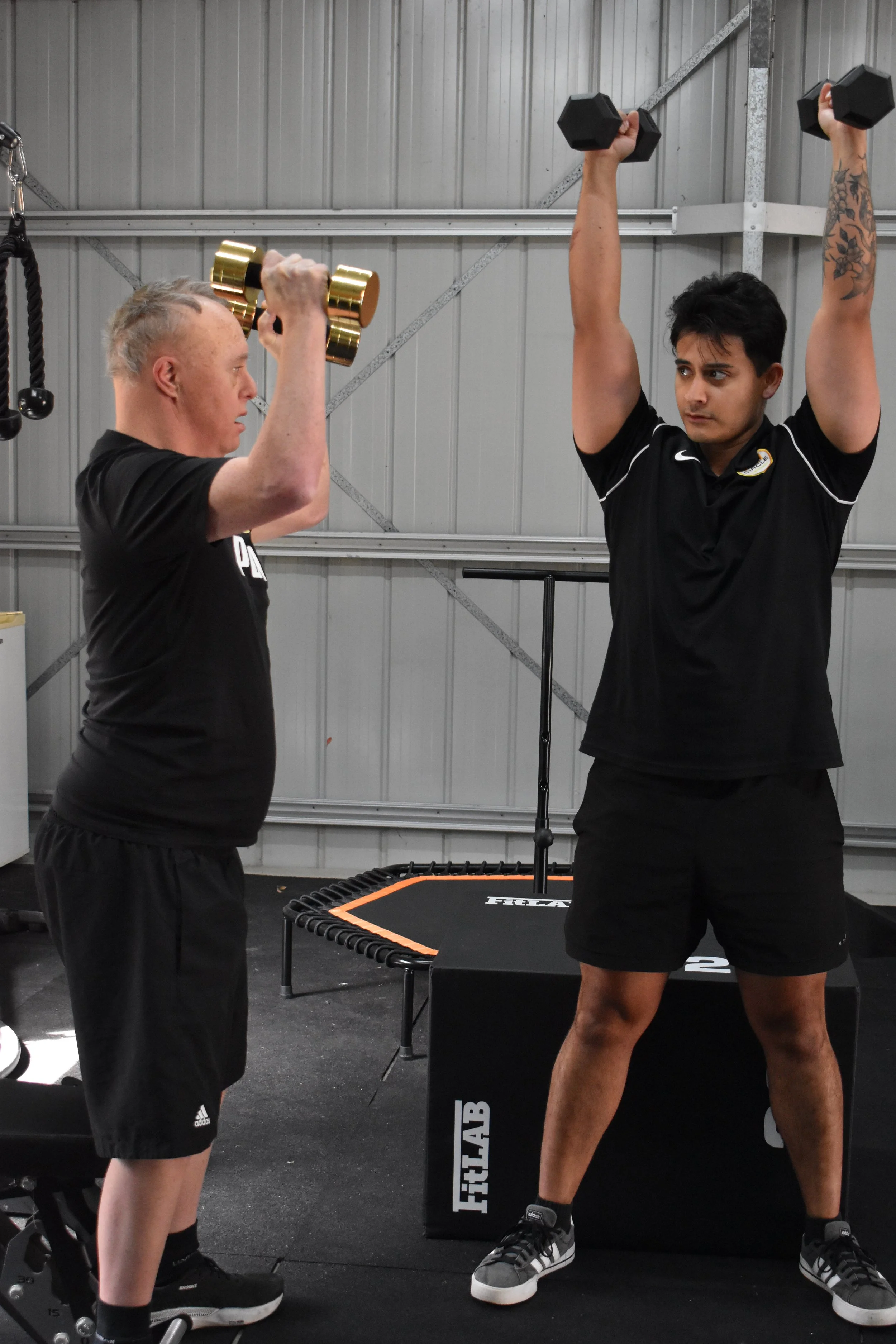
Registered NDIS Provider & Wheelchair Access.

-
Chronic Health
Chronic Disease Management and Mitigation.

WHAT IS EXERCISE PHYSIOLOGY?
Exercise physiology is the scientific study of the body and how it works. In Australia exercise physiology is overseen by a professional organisation called the Exercise and Sport Science Australia (ESSA).
According to ESSA, Accredited Exercise Physiologists are university qualified health professionals with specialist skills, knowledge and proficiency to create, deliver and assess a safe and effective exercise plan for people with chronic health conditions, disabilities or injuries.
Accredited exercise physiologists are trained to help prevent and manage a wide range of health issues. These include the following conditions:
Musculoskeletal
Cardiovascular
Neurological
Metabolic
Diabetes
Respiratory
Pulmonary
Cancer
Mental Health
Exercise physiologists utilise their knowledge to prescribe personalised exercise programs for:
rehabilitation after an injury or surgery
relief from pain and discomfort
management and prevention of chronic health conditions
falls prevention
lifestyle assistance
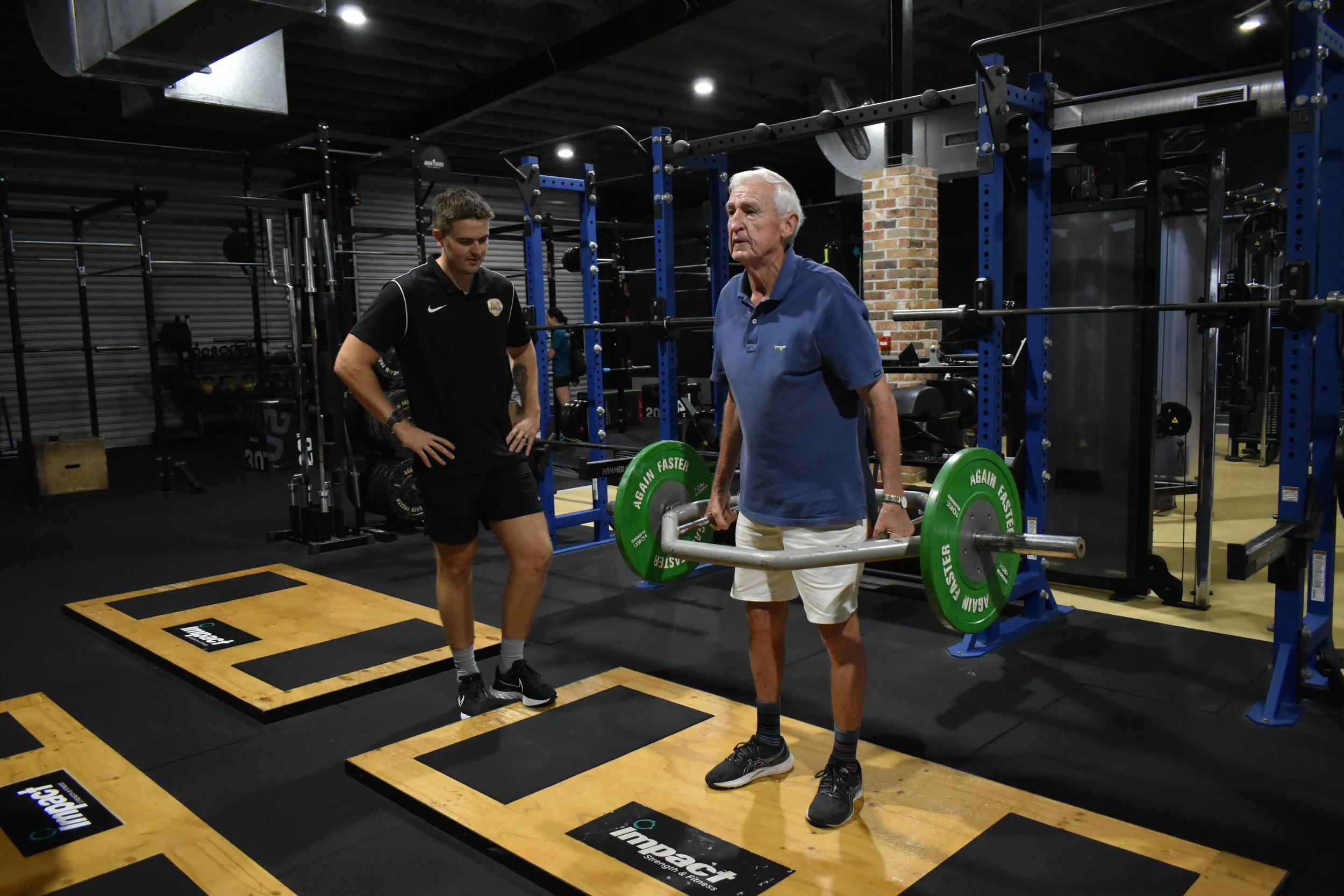
increased independence for seniors and people with disabilities
Learn more about exercise physiology on the ESSA website.
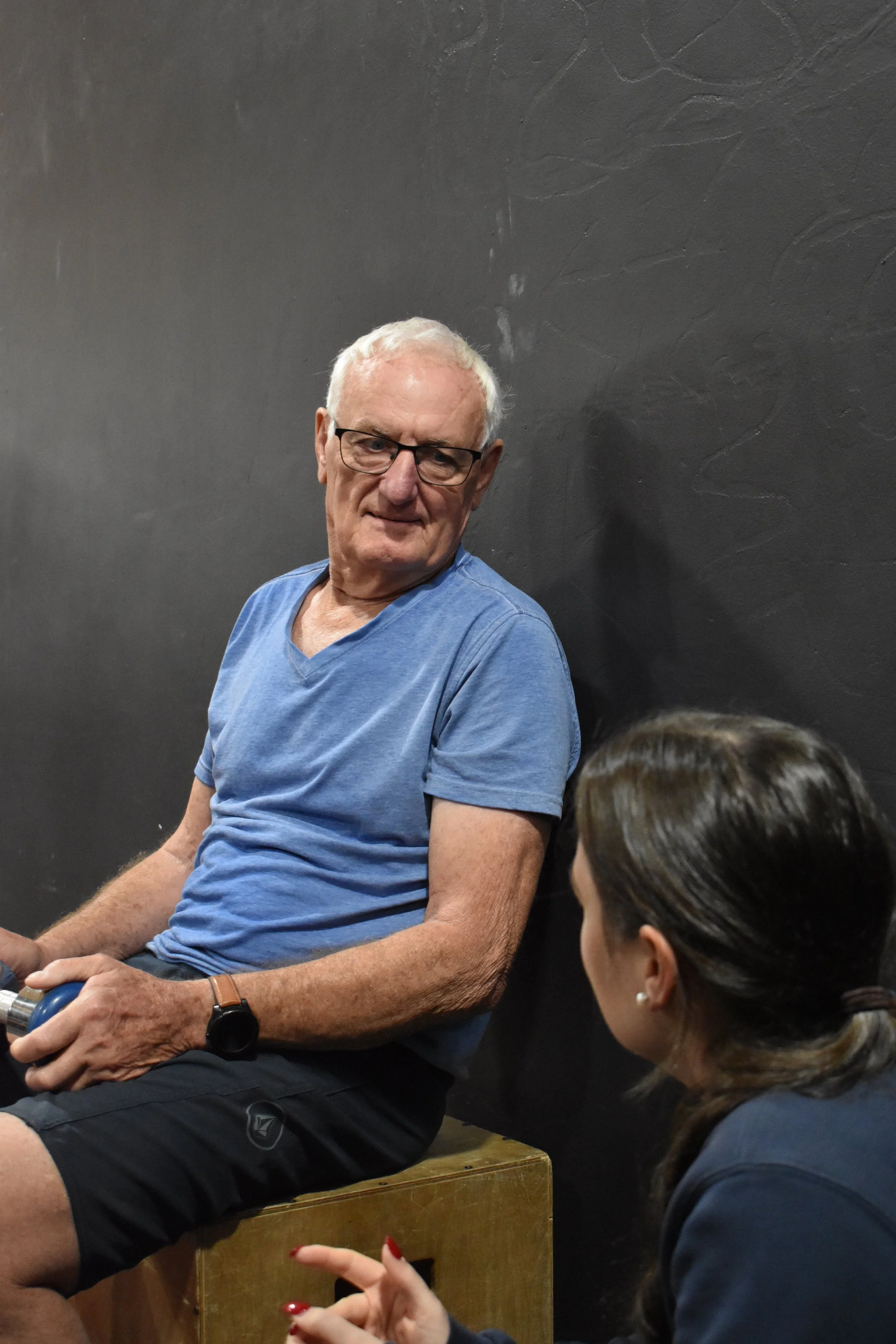

EXERCISE PHYSIOLOGY AT FULL CIRCLE WELLNESS
Full Circle Wellness specialise in exercise physiology services for the senior, aged, disability and chronic health sectors. We provide mobile, clinic, and community based services throughout the Sunshine Coast, Noosa, Gympie, Fraser Coast and Brisbane.
We are NDIS and Medicare registered. We are also accredited with Private Health funds and Home Care Package providers.
Full Circle Wellness has 7 onsite clinics where you can learn and practice prescribed exercises safely and correctly under the supervision of your Exercise Physiologist. Onsite training gives you access to specialised exercise machines and equipment.
All clinics are accessible and disability friendly, call us to ask for more details on the clinic near you.
We also offer a mobile Exercise Physiology service for home visits. You can exercise in the comfort of your own home with our professional and caring allied health professionals.
Alternatively speak to us about a Telehealth appointment for an online consultations. We use the world’s best online exercise programming software, PhysiTrack, to make exercise at home easy and convenient.
Doctors often refer patients to our Exercise Physiologists to help treat injuries, illness or medical conditions that will benefit from an exercise plan. Our services are often eligible for a Medicare rebate if a referral is under a Chronic Disease Management Plan (CDM). Refer to our Medicare Referrals page for more information.
If you have a Support At Home Program through My Aged Care, we can work together through your provider to achieve your goals. See our My Aged Care page for more information.
We also work with Veterans, war widows and our current service men and women under the Department of Veteran Affairs Referrals system (DVA).
You do not need a doctors referral to see us. Anyone can make an appointment! The health value of Exercise Physiology is also widely recognised by most major Private Health Funds - check with your provider for more details.


-
Many people ask what is the difference between an exercise physiologist and a personal trainer in the gym. It's a great question and there are some very significant differences between the two, including:
An Exercise Physiologist has undertaken at least 4 years of university education and a minimum 500 hours clinical experience. A personal trainer requires completion of a 6 month Certificate 4 course.
An Exercise Physiologist can design a program for healthy individuals but will specialise in complex or chronic health issues. They provide an intervention. A personal trainer is best suited to design an exercise program for someone who is generally healthy with low risk.
Exercise physiology is a recognised Allied Health Profession and each practitioner required accreditation with Exercise and Sport Science Australia (ESSA), the governing body. Personal trainers are not governed.
Exercise Physiology is recognised by Health Funds, Medicare and other government funded agencies, whereas personal training is not recognised.
An Exercise Physiologist has an in depth knowledge and understanding of anatomy, human physiology, biomechanics and disease processes. A personal trainer course provides a foundational understanding of exercise and health in general.
-
Obesity
Type 1 & Type 2 Diabetes
High blood pressure (hypertension)
Osteoarthritis
Osteoporosis & Osteopenia
Cancer
Auto-immune & Inflammatory conditions
Rheumatoid Arthritis
Depression & Mental Health
Parkinson's Disease
Multiple Sclerosis
Stroke Recovery
Respiratory & Cardiac Conditions
-
Recovery from Cardiac or respiratory illness
Recovery from acute injuries
Post-operation recovery (including joint replacements & injuries)
Strength & recovery from falls

SCREENING & TESTING
A COMBINATION OF THE FOLLOWING:
Health Summary
Functional Capacity
Independence
Quality of Life
Mental Health
OUR PROCESS

CARE PLAN DEVELOPMENT
UTILISING:
Customer goals
Baseline finding
ACAT/RAS Assessment
Care coordinators input + Evidence based practice

IMPLEMENT
ONE ON ONE EXERCISE PHYSIOLOGY VIA:
Home
Clinic
Community
Facility
Telehealth